
"coffee bean development"
30000 article(s) found
Analysis on the present situation of the spread and Development Market of Coffee in China
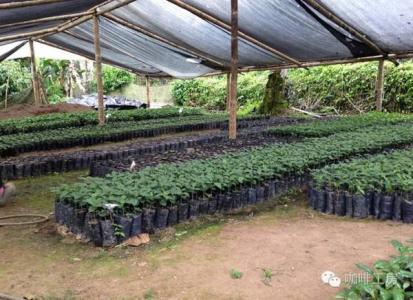
Analysis on the current situation of Coffee Communication and Development Market in China in terms of natural conditions, many parts of China are very close to Latin America, South America, India, Indonesia and other places, and have congenital conditions for coffee planting. however, the traditional culture and living customs restrict the development of coffee in China. Until recent years, as more coffee has entered the lives of ordinary Chinese people,

Introduction to the development history of coffee roaster why instant coffee is so popular in Russia
This time we will introduce the roasting of coffee beans. The history of coffee roasting has a lot to do with the shape of the coffee we enjoy today. Let's take a look at the introduction to baking and the invention of instant coffee. The development of roasters the history of coffee development varies all over the world. In France, because it is put on it to emphasize the pursuit of coffee taste, a new coffee pot, such as flavor
The Development of Ethiopian Coffee the reasons for the Development of Ethiopian Coffee
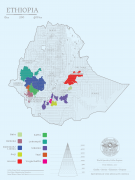
Ethiopia, a landlocked country located in the Horn of Africa, is the most populous landlocked country in the world. Ethiopia is regarded as the birthplace of coffee-Arabica species (Arabica). It has rich native varieties and a wide range of genetic sequences, many of which can not be found in other countries. Coffee in Ethiopia is mostly grown by small farmers on their own small estates or in the wild.
What is the boutique coffee in China, the development history of Yunnan coffee, is Yunnan coffee beans delicious?
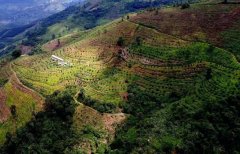
Yunnan, as the main coffee producing area in China, what special flavor does it have? In recent years, Yunnan coffee beans stand out in the raw bean competition and become a group of dark horses to enter the boutique coffee market, so what is the unique charm of Yunnan coffee? What kind of story does it have? The first Yunnan coffee beans were introduced by Tian Deneng, a French Catholic missionary, via Vietnam in 1904.

Luckin Coffee opened a second baking factory! And said that it will develop globally!
Luckin Coffee's successful self-rescue and rapid development in recent years are also obvious to all. I have to say, Lucky's marketing team is very discerning, not only to grasp the public consumer demand for innovative taste, launched a raw coconut latte, with the fire of the entire beverage circle, but also let Lucky brand deeply imprinted in the hearts of consumers
The Development History of costa Coffee the growth of chain coffee shops
Development History Editor in 1971, a pair of Italian brothers Sergio Costa and BrunoCosta started a coffee bean wholesale business, providing roasted coffee beans to the catering industry and Italian coffee stores. With their Italian background and Sergio's experience in blending and roasting coffee beans in Parma, Italy, the Costa brothers gradually established their unique roasting

Nestle Coffee Future Development Strategy Nestle Coffee "Sustainable Development" Expenditure will double
For more information on coffee beans, please follow the coffee workshop (Wechat official account cafe_style). Nestl é is increasing sustainability spending for its Nestle coffee brand, Bloomberg reported. Nestl é plans to invest more than 700 million Swiss francs ($787 million) over the next decade, including responsible procurement of all Nestle coffee.

Analysis on the present situation of capsule Coffee Development geisha Coffee and Coffee Bean Market
Capsule coffee is a new type of coffee product, which has developed rapidly in the past 30 years, and occupies an important position in the coffee consumption market because of its superior quality and convenience. The encapsulated coffee made by sealing the ground and roasted coffee powder in a special capsule has a special flavor and long-lasting quality. combined with the brewing of the capsule coffee machine, the brewing process is simple and fast.

Consumers 'consumption trends and fashion moments affect the development of cafes
Under the guidance of the above four principles, Caffe Pascucci has achieved success on a global scale. The coffee beans produced by the brand are sold in 60 countries around the world, and the cafes are opened in more than 50 countries around the world. It has become the first choice for people to taste authentic Italian coffee. Now, Caffe Pascucci has come to China to promote the franchise business, which has both consumers and many investors looking forward to it.

An introduction to the Cultural Origin of the Development History of Chinese Coffee beans-capsule Coffee Machine
The history of coffee development in China Coffee raw beans can release the special aroma of coffee through roasting, and each coffee bean contains its aroma, sour taste, sweetness and bitterness. From raw beans, light roasting, medium roasting to deep roasting, the water is released again and again, the weight is reduced, but the volume slowly expands, the color of the coffee beans deepens, the fragrant oil is gradually released, and the texture becomes crisp. Raw bean

How to bake the sweetness of decaf / other coffee? What is coffee sweetness?
Professional coffee knowledge exchange more information about coffee beans Please follow the coffee workshop (Wechat official account cafe_style) sweetness is one of the most popular features of a good cup of coffee. In fact, almost all roasting and brewing techniques are also in pursuit of sweetness. whether you like light roasting with bright and sour quality, or medium-and deep-roasted coffee with rich taste, the development and emphasis on sweetness are all formed.

To what extent has coffee cultivation developed in China?
The unique geographical location of the rise of coffee in China is that the west and south of Yunnan Province are located between the 15th latitude and the Tropic of Cancer, most of the areas are 1000-2000 meters above sea level, and the topography is dominated by mountains and slopes. and ups and downs, fertile soil, sufficient sunshine, rich rainfall, large temperature difference between day and night. International form and government support the increase in international and domestic demand for coffee

How to make coffee beans sweet? can Katim's fishy smell be reduced during the baking stage?
Sweetness is one of the most popular characteristics of a good cup of coffee. In fact, almost all roasting and brewing techniques are also in pursuit of sweetness, whether you like light roasted coffee with bright and sour quality, or medium-and deep-roasted coffee with rich taste, the development and emphasis on sweetness is the key to forming a cup of pleasant and well-balanced coffee. And this is also examined by decaf coffee, although it has to be baked.
The Development History of Coffee Bean Dryer: pan, Roller, Commercial Bean Dryer, Hot Air Bean Dryer
Coffee has a long history in the pan roasting era. The first people who roasted coffee beans into drinks can be traced back to Central Africa and the Middle East hundreds of years ago, and then the Ottoman Turkish Empire and European colonists brought coffee to the world. The earliest bean roasting tools were thin, perforated pots that roasted directly over high fire, and coffee bakers used spoons to turn the beans and make sure they were roasted.

The Ancient Culture of Coffee beans and the Development of Coffee Industry
In ancient times, when people ate coffee, they often ground the coffee beans directly, and then mixed them with animal fat to eat them. After eating them, people would feel much more energetic than before. Coffee has become one of the most popular beverages nowadays. With the development of coffee industry, coffee culture has also attracted people's attention. In ancient times, people ate coffee

The source of Bassirou Rubi coffee beans the flavor of Ruby coffee beans without peel and sun on Pacio Farm
Ruby Rubi (ruby) coffee bean comes from the development of bean breeding, and the most important development in Brazil in the last century is undoubtedly the Catua bean seed. Kaduai is artificially mixed with Mundo Novo and Kaddura, developed by the Campinas Agricultural Research Institute (Instituto Agronomico; I) in the state of Sao Paulo, Brazil.

The Development History of Coffee in China: the Development History of Yunnan Fine Coffee and the taste of small Coffee
Professional coffee knowledge exchange more coffee bean information please follow the coffee workshop (Wechat official account cafe_style) Chinese coffee Yunnan Yunnan is one of the earliest provinces in China to grow coffee. At the end of the 19th century, missionaries from Europe went to Yunnan Dali and other places to preach, bringing coffee seeds to Yunnan. In the early stage after liberation, Lujiangba in Baoshan was successfully planted, and it was found that the adaptability was good.
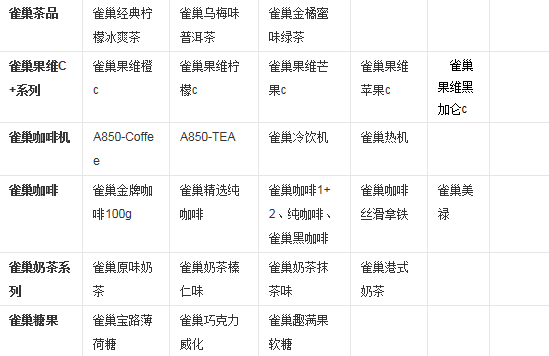
The Origin and Development of Nestle Coffee
Nestle Coffee originated in 1930. When the Brazilian government came into contact with Nestl é, coffee authority Max Morgentel immediately set out with his research team to develop a way to mix with water while keeping the coffee authentic. After seven years of research in a Swiss laboratory, they finally found the answer. Nestle Coffee has become a world-famous brand. two

How can roasted coffee make it sweet? How to make Katim sweet? How to learn baking
Sweetness is one of the most popular characteristics of a good cup of coffee. In fact, almost all roasting and brewing techniques are also in pursuit of sweetness, whether you like light roasted coffee with bright and sour quality, or medium-and deep-roasted coffee with rich taste, the development and emphasis on sweetness is the key to forming a cup of pleasant and well-balanced coffee. And this is also examined by decaf coffee, although it has to be baked.

Coffee Development the Development of Coffee in China
According to historical records, coffee was first planted in Taiwan in 1884, which opened the prelude to the development of coffee in China. The earliest coffee cultivation in mainland China began in Yunnan, when a French missionary brought the first coffee seedlings to Binchuan County in Yunnan Province at the beginning of the 20th century. In the following nearly a hundred years, coffee was only planted in the vast territory of China. However, in recent years